INTERNATIONAL
Norwegian Lotus River Schools
- PartnersNorwegian Rotary clubs
- StatusActive
For more than twenty-five years the Rotary Club of Wynberg has worked with the Norwegian Rotary clubs of Oddemarka and Haugaland to support seven primary and secondary schools along the Klip Road corridor in Lotus River, on the Cape Flats. It is one of the club’s longest-running commitments, and one of the simplest to explain: money raised by teenagers in southern Norway does work in Cape Town that it could never do at home.
A tale of two maps
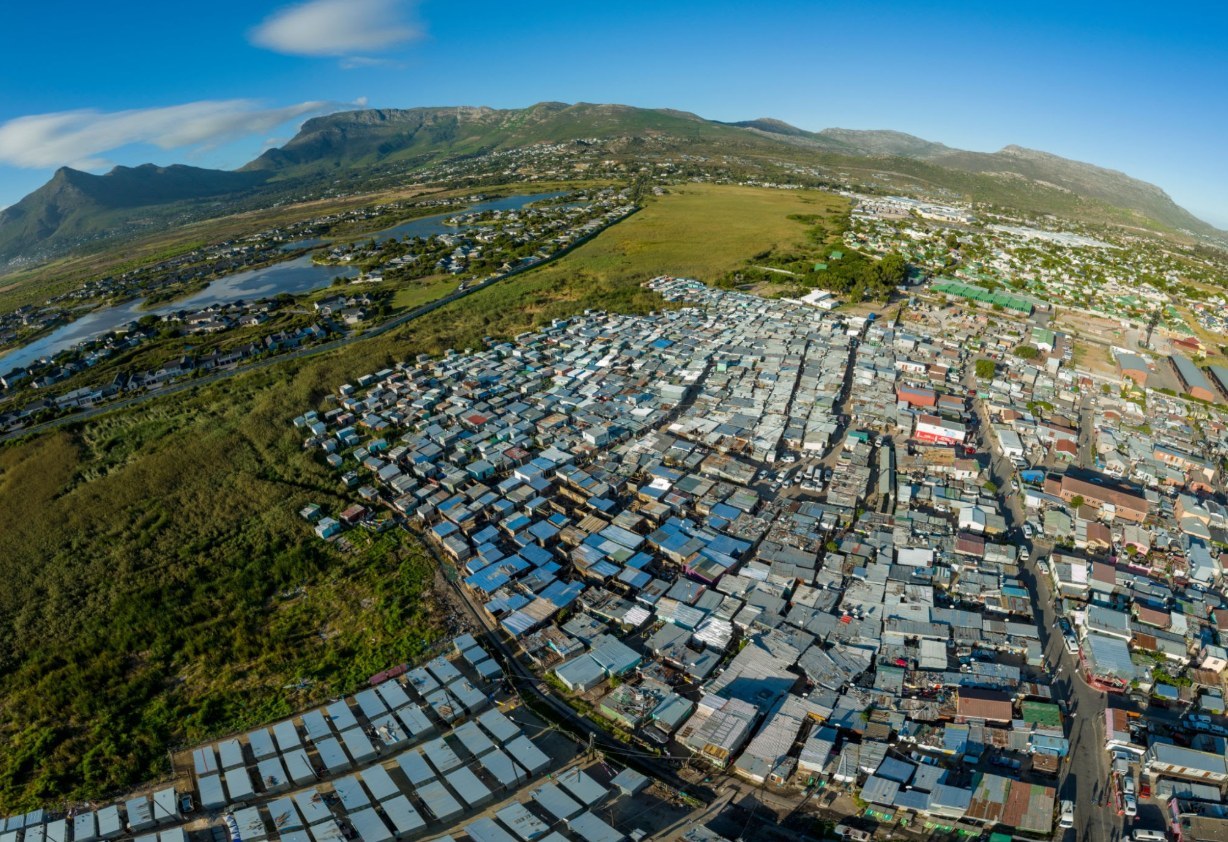
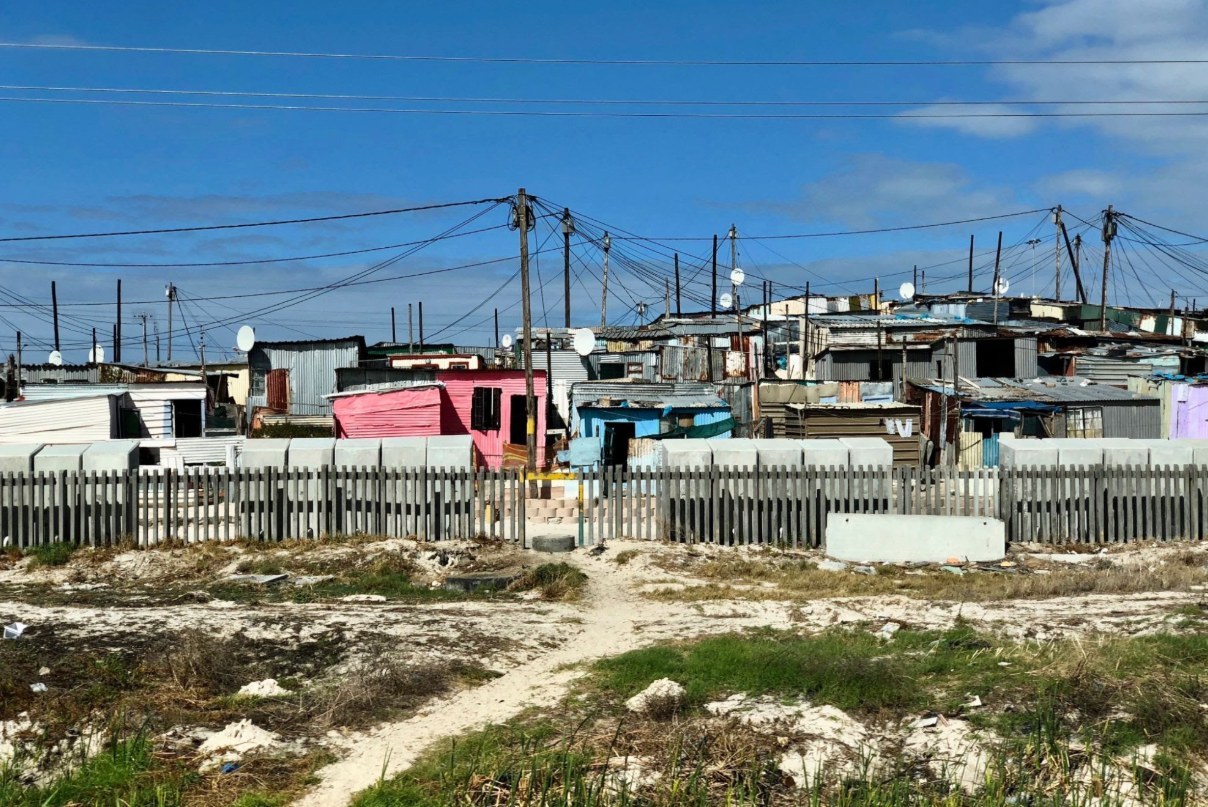
In southern Norway, a school is a school: clean facilities, safe grounds and modern equipment are guaranteed wherever a child happens to live. Cape Town was designed differently. Apartheid planning moved communities off the fertile, leafy slopes and out onto the sandy, windswept Flats — so geography here was built to divide, and the schools along Klip Road sit a long way from the city’s wealth. Put the two aerial maps side by side and the argument makes itself: the green, low-density suburbs of Kristiansand against the flat, dense grid of Lotus River.
The seven schools
- Stephen Road Primary School. 2 Stephen Road, Lotus River. One of the two schools the project began with in 1999, and the reason it began at all: Ken Williams, a Wynberg Rotarian and the school’s retired principal, made the introduction. It welcomed Norwegian learners on a tour of the school in 2016, and its pupils have received bursaries at the annual Bursary Night.
- Montagu’s Gift Primary School. Grassy Park / Lotus River. The other founding school of 1999. A student from Haugaland Skole visited in 2015 — one of the many exchanges that have kept the partnership a relationship rather than a remittance.
- Perivale Primary School. On the corner of Klip Road and Zeekoe Road — the corridor this project is named for. In October 2022 it opened a new R86-million replacement school, adding 520 places for a total capacity of 1 240: a considerable public investment in the same children this partnership supports.
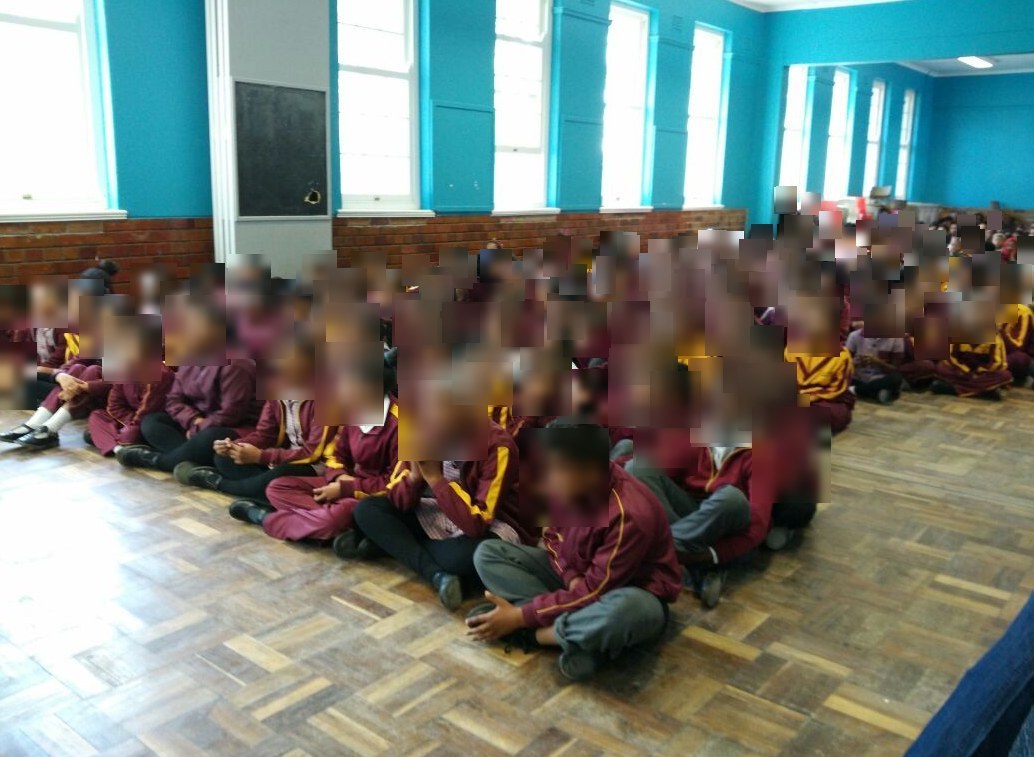
- Lotus River Primary School. Corner of Lake Road and 5th Avenue. Around 600 learners are taught by some twenty educators — roughly thirty children to a teacher. Its learners have been among those receiving bursaries directly from the Norwegian partners.
- Die Duine Primary School. First Avenue, Lotus River. A neighbourhood primary school and a long-standing beneficiary of the programme.
- Fairmount Secondary School. Maroon Road, Grassy Park. One of the secondary schools in the group, so it carries learners through to matric — the point at which a bursary can decide whether a young person goes further.
- Zeekoevlei Secondary School. Completing the group along the corridor, on the far side of the vlei.
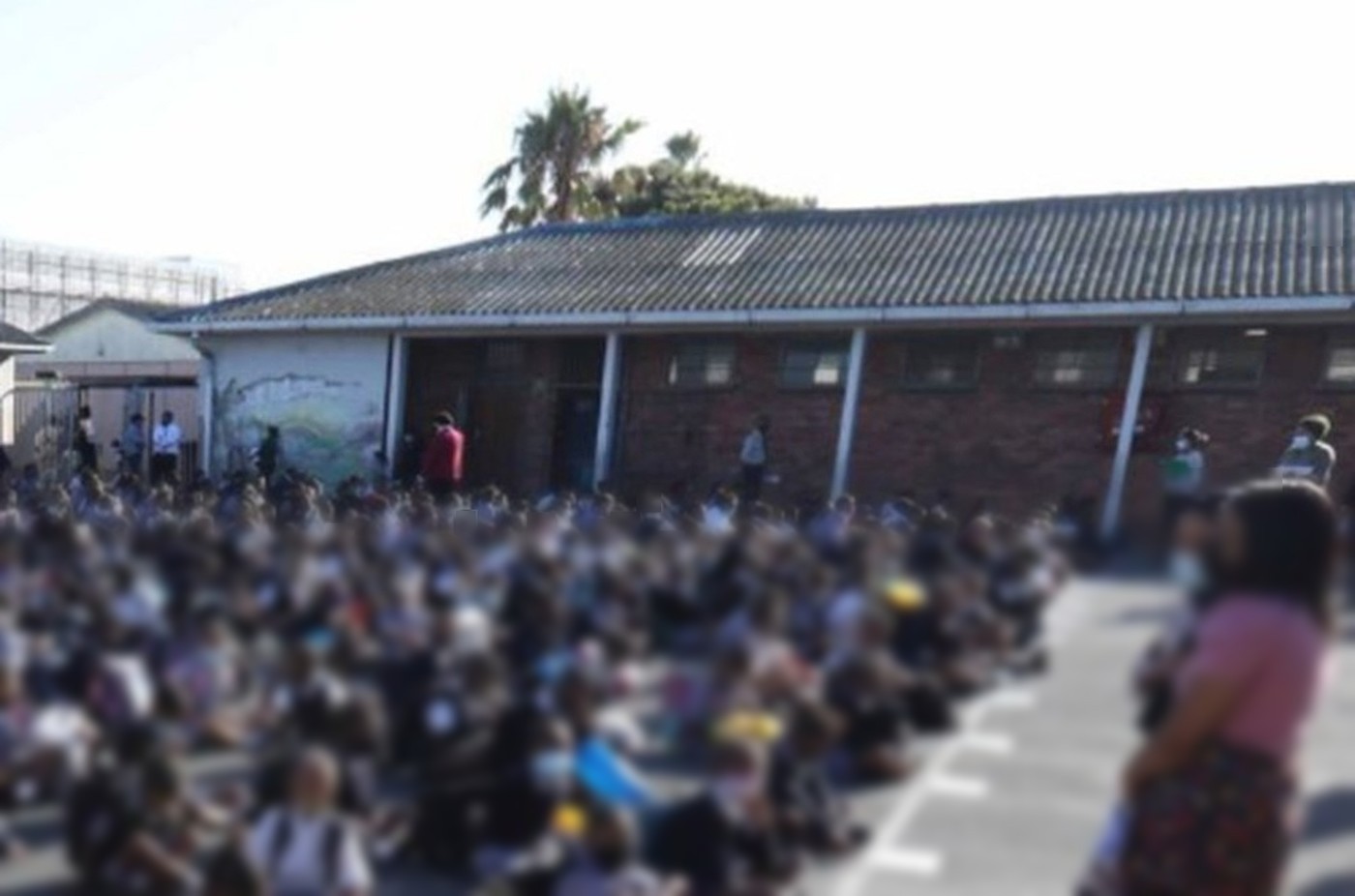
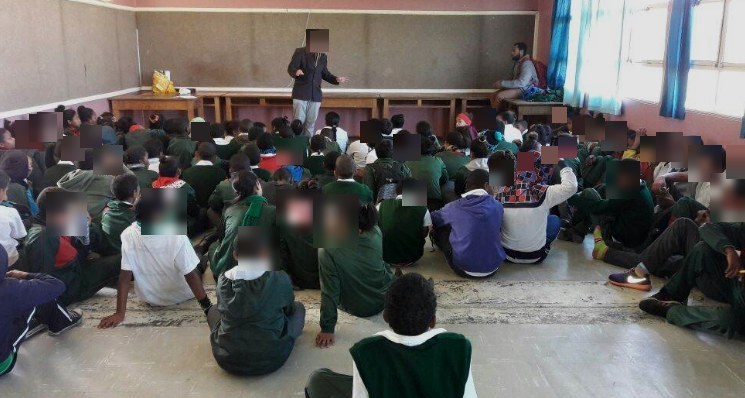
They serve neighbourhoods under real pressure — high unemployment, many single-parent households, and the constant presence of gangs. For a great many learners the school is a safe haven: the place they get the main meal of their day, and somewhere to be that is not the street. Teachers there carry a good deal more than a syllabus.
Two different safety nets
The gap is not about effort, and it is certainly not about ability. It is about what stands behind a child when something goes wrong. In Norway, a parent who loses a job is helped by the state; a school that needs desks is equipped by the municipality. South Africa remains one of the most unequal societies in the world, and on the Cape Flats that inequality is measured in whether a fifteen-year-old eats before an afternoon of lessons. Same age, same curiosity, entirely different odds.
The superpower of the kroner
This is where the partnership earns its name. An afternoon of fundraising in Norway becomes months of security, meals and learning here. That is not sentiment; it is arithmetic, and it is why the effort of a fifteen-year-old in Norway carries so far.
What the money builds
Nothing here is abstract. The funds go into feeding schemes that put a hot meal in front of a child at midday, into complete stationery kits so no learner starts the year without a pen, into sports equipment, classroom upgrades, and the fencing and security that let a school gate stay shut against what is outside it. These are ordinary things. That is rather the point — they are ordinary everywhere else.
Where it comes from
The money is raised by school students in Kristiansand and Haugaland — bake sales, sponsored runs, fundraising days through the year. What makes this a partnership rather than a transfer is what happens next: each year a group of them travels to Cape Town to meet the schools they support. They walk into the classrooms, meet the learners their fundraising reaches, and see for themselves what it paid for.
It is the most valuable part of the whole arrangement, and it runs in both directions. The Norwegian students stop being distant donors and become visitors with names; the learners along Klip Road meet peers their own age who chose to spend a year’s effort on them. Both sets of fifteen-year-olds go away understanding something about the world that no lesson delivers as well.
How it began
In 1999 Magne Hallaråker — then chairman of the international committee of the Kopervik Rotary Club in Norway’s District 2250, and principal of Åkrehamn Technical College — approached the Rotary Club of Wynberg. Through his school and his club he assembled a container of dictionaries and the funds for four computers and two printers.
Ken Williams, a Wynberg member and the retired principal of Stephen Road Primary, opened the doors to his old school and to Montagu’s Gift. Those two schools were the whole of it at the start. It has since grown to seven.
Selected learners have been sponsored to visit the donor schools in Norway; principals and teachers have attended the IT in Education Expo in London and the Principal’s Academy at the UCT Business School; and sports equipment for four codes has gone into schools where gangs and drugs compete for the same afternoons.
Justice, not charity
“Overcoming poverty is not a task of charity, it is an act of justice.”Nelson Mandela
He also held that “education is the most powerful weapon which you can use to change the world” — but a child cannot learn hungry, unsafe, or without the basic tools. What Oddemarka and Haugaland raise restores those tools and that dignity to young people who are owed them by right of birth, not by favour.
“It always seems impossible until it’s done.”Nelson Mandela